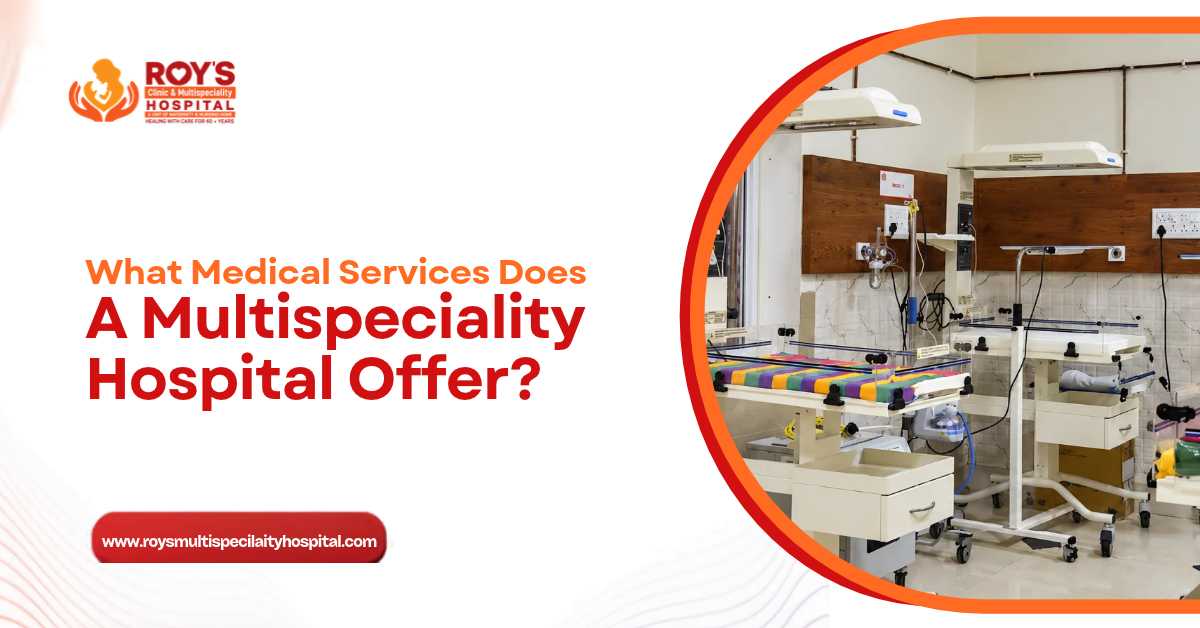




Multispeciality hospitals in India are projected to grow at a CAGR of around 12% between 2024 and 2028 (KPMG). This reflects the growing propensity of people towards seeking treatment in multispeciality hospitals. The most important reason for this is that people these days may suffer increasingly from comorbidities. Thus, they prefer visiting a hospital where they can receive treatment for multiple medical issues.
However, there are times when patients are (may Feel or may be) confused about whether a multispeciality hospital has treatment available for a particular disease. This blog brings to you the types of medical services usually available at a multispeciality hospital in Siliguri.
1. General medicine
General physicians are often the first point of contact for patients suffering from common symptoms or unexplained symptoms. These doctors do not perform any surgeries; instead, they may manage chronic health conditions and provide preventive care. They usually treat
· Common illnesses: Cold, flu, cough, and minor infections.
· Chronic conditions: These may include high blood pressure, diabetes, thyroid disorders, and high cholesterol.
· General symptoms: Abdominal pain, headaches, fatigue, and breathing issues.
2. Cardiology and cardiovascular care
These doctors specialise in diagnosing and treating medical conditions related to the heart and the blood vessels. These doctors also help prevent the occurrence of such diseases. Some of the common conditions that are treated by these doctors are –
· Coronary artery disease:The arteries of the heart become narrowed, or there might be some blockage in them. This can cause pain in the chest, also called angina, or even heart attacks.
· Hypertension (high blood pressure): This condition happens when the blood pushes against the walls of the arteries too hard.
· Heart failure: This is a chronic condition where the heart cannot pump blood as it normally does.
· Arrhythmias: This occurs when the heart rhythms are too fast, too slow, or erratic.
· Heart valve problems: These include problems with the opening and closing of the heart valves.
3. Neurology
Neurologists evaluate and manage conditions of the nervous system. They use clinical examinations like MRI, EEGs, and EMGs to figure out what is wrong in the brain. The common conditions that they treat are given below :
· Headaches and migraines: Chronic or severe pain in the head.
· Stroke and cerebrovascular diseases: If blood vessels in the brain have ruptured or are blocked, neurologists may treat them.
· Epilepsy and seizures: These are a sudden surge of electrical activity in the brain.
· Movement disorders: These may include conditions like parkinson’s disease, tremors, or slow movements.
· Neurodegenerative disorders: These may happen in old age or earlier and usually include memory loss and cognitive decline, such as Alzheimer’s disease and ALS.
· Nerve and muscle problems: Peripheral neuropathy, myasthenia gravis, or muscle weakness and tingling are usually included in this group.
3. Orthopaedics and Joint Care
An orthopaedic doctor diagnoses and treats conditions which affect the bones, joints, ligaments, tendons, muscles and nerves. They also offer treatments for degenerative conditions, congenital abnormalities, and other problems that affect mobility and physical function. These conditions are defined below:
· Arthritis and degenerative joint diseases: These are of various types like osteoarthritis, rheumatoid arthritis, age related wear and tear of knees, hips and shoulders.
· Fractures and trauma: Broken bones, joint dislocations, and complex polytrauma can also be treated by an orthopaedic doctor.
· Sports injuries: Iigament tears (ACL or PCL tears), meniscus injuries, tendonitis, and recurrent sprains also come under the orthopaedic department.
· Spine and back conditions: These may include chronic lower back pain, sciatica, herniated discs, and spinal compression.
4. Obstetrics and gynaecology
It is commonly called OB-GYN. It collectively focuses on women’s reproductive health, pregnancy and childbirth. The difference between the two is that obstetrics focuses on pregnancy, prenatal care, labour, delivery, and the postpartum period.
On the other hand, gynaecology focuses on general health of female reproductive system that is ovaries, uterus, fallopian tubes, vagina and breasts, from puberty through menopause. The conditions and services that it includes are
· Pregnancy and family planning: Antenatal care, labour and delivery, fertility evaluations, and contraception guidance are included in this group.
· Menstrual and hormonal disorders: It includes management of polycystic ovary syndrome, heavy or irregular bleeding, endometriosis, and fibroids.
· Preventive care and screenings: This involves routine wellness exams, Pap smears, and medical screening tests for reproductive cancers like cervical, ovarian, and uterine.
· Surgical procedures: These may include laparoscopic surgeries, hysterectomies, and treatment for pelvic organ prolapse or urinary incontinence.
5. Gastroenterology and Digestive Health
This department specialises in treating conditions that affect the digestive system, which includes the oesophagus, stomach, intestine, liver, pancreas, and gallbladder. The common conditions diagnosed and treated in this department may include –
· Functional disorders: These include issues like irritable bowel syndrome (IBS), chronic constipation, gas, and bloating.
· Structural and inflammatory diseases: These include conditions such as inflammatory bowel disease (IBD), peptic ulcers, GERD (acid reflux), hemorrhoids, colon polyps, and diverticulitis.
· Liver and biliary conditions: Hepatitis, fatty liver disease, cirrhosis, and gallstones are included in this group.
Conclusion
A multispecialty hospital offers comprehensivemedical services to cater to medical issues affecting almost every part of the body. These services include general medicine, cardiology, neurology, orthopaedics, advanced surgical procedures, emergency care, intensive care, and rehabilitation; these hospitals bring multiple medical disciplines together under one roof.
For patients looking for a multispeciality hospital in Siliguri, they should look beyond the number of departments and evaluate the expertise of medical professionals, diagnostic capabilities, treatment facilities, and quality of patient care. The appropriatehealthcare institution can play an important role in supporting timely diagnosis, effective treatment, and better long-term health outcomes.
FAQs:
1. Does a multispeciality hospital provide emergency medical services?
Yes, many multispeciality hospitals provide emergency medical services to handle sudden illnesses, serious injuries, and life-threatening conditions. Generally, there are dedicated emergency departments to provide immediate medical attention and stabilise the health of the patients before going for further treatment.
2. Can I undergo surgery at a multispeciality hospital?
Yes, you can undergo various types of surgeries at a multispeciality hospital. Such hospitals generally have operating theatres, advanced surgical equipment, and experienced surgeons who specialise in their respective fields. These surgical procedures may include general surgery, orthopaedic surgery, laparoscopic surgery, neurosurgery, cardiac surgery, urological surgery, and gynaecological procedures.
3. Are ICU and critical care facilities available in multispeciality hospitals?
Yes, many multispeciality hospitals have Intensive Care Units and critical care facilities to treat patients with severe illnesses, life-threatening medical conditions, or those that require continuous medical supervision.
4. Do multispeciality hospitals provide preventive health check-ups?
Yes, many multispeciality hospitals provide preventive health check-up packages. This helps the doctors in diagnosing any medical condition that has not yet started showing visible symptoms. These checkups generally include a combination of physical examinations, laboratory investigations, and clinical tests.
5. Do multispeciality hospitals provide healthcare services for children?
Yes, many multispeciality hospitals provide comprehensive services that also include healthcare services for children through dedicated paediatric departments. Such departments take care of the medical needs of newborns, infants, toddlers, and older children. They also offer preventive healthcare, routine medical consultations, diagnosis, and treatment for various illnesses in children.
6. Do multispeciality hospitals offer diagnostic and imaging services?
Yes, most multispeciality hospitals have provisions for diagnostic and imaging tests to assist doctors in identifying the underlying causes of the symptoms with which the patient may be suffering.